
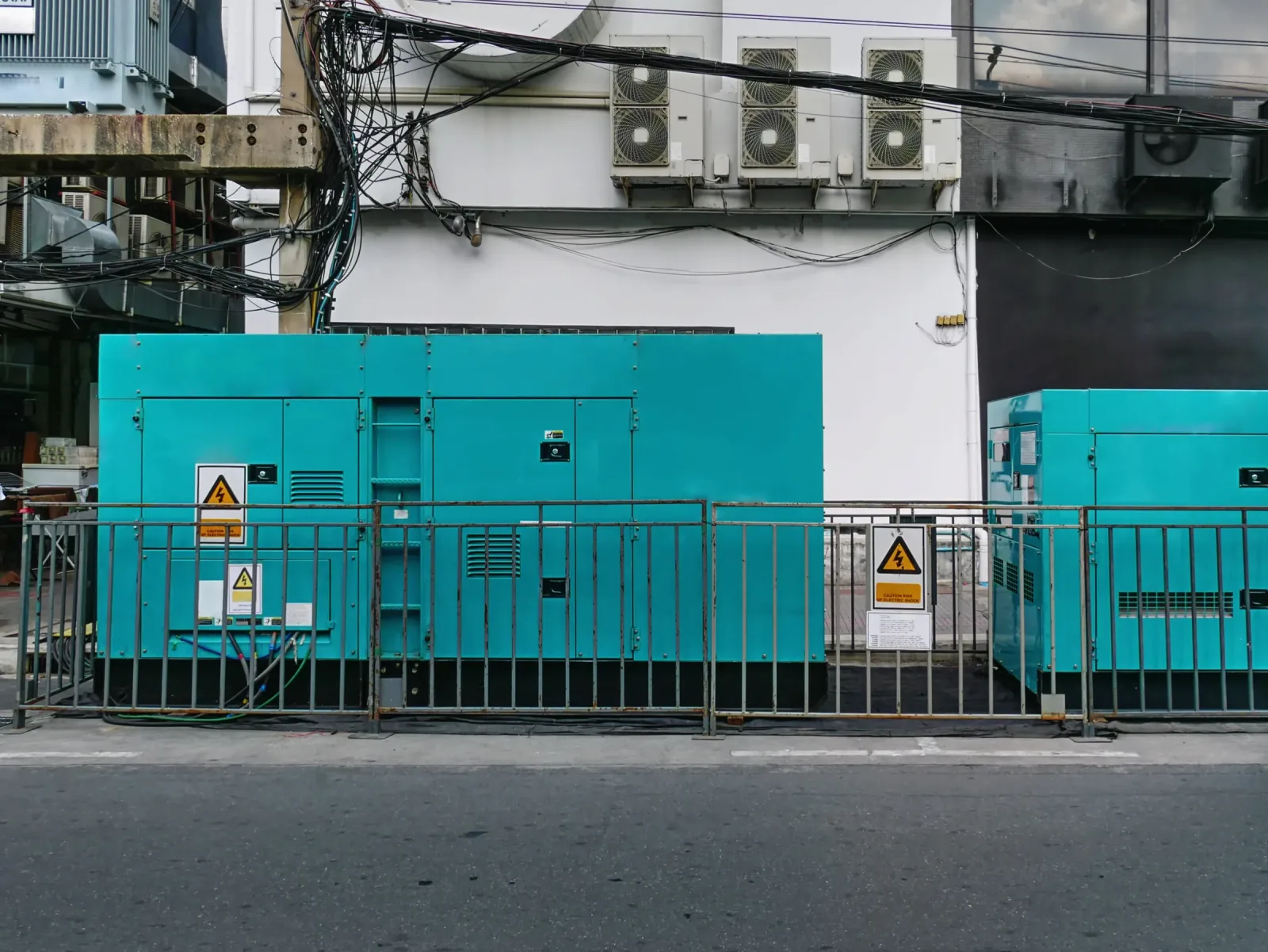
Generator Installations
Backup power that starts when KPLC goes off: generator supply, safe ATS or manual changeover, proper earthing and servicing.
The lights go off in the middle of a meeting, a fridge full of stock starts to warm up, or the borehole pump stops just as the tank runs dry. KPLC outages are part of life in Kenya, especially in the rainy season, and every hour without power costs you money or comfort.
Many homes and businesses already own a generator but still struggle. Someone has to run outside in the dark to start it, the changeover was wired by a fundi with an extension cable, or the unit is too small and trips every time the pump kicks in. Worse, a poorly wired generator can backfeed the KPLC line, putting line technicians and your own equipment at serious risk.
Nerpax Systems handles generator installation from start to finish. We survey your site and size the load, supply a genuine generator that fits your needs, and install it with a proper automatic transfer switch (ATS) or manual changeover, correctly rated cabling and a tested earth. We commission the system with a live power-cut test, show you how to run it, and hand over a clean, labelled installation.
One team is accountable from the first visit to handover, and we stay on for servicing. Book a free site survey and we will tell you exactly what size of generator and changeover your property needs.
What we offer
- Load survey and generator sizing (kVA)
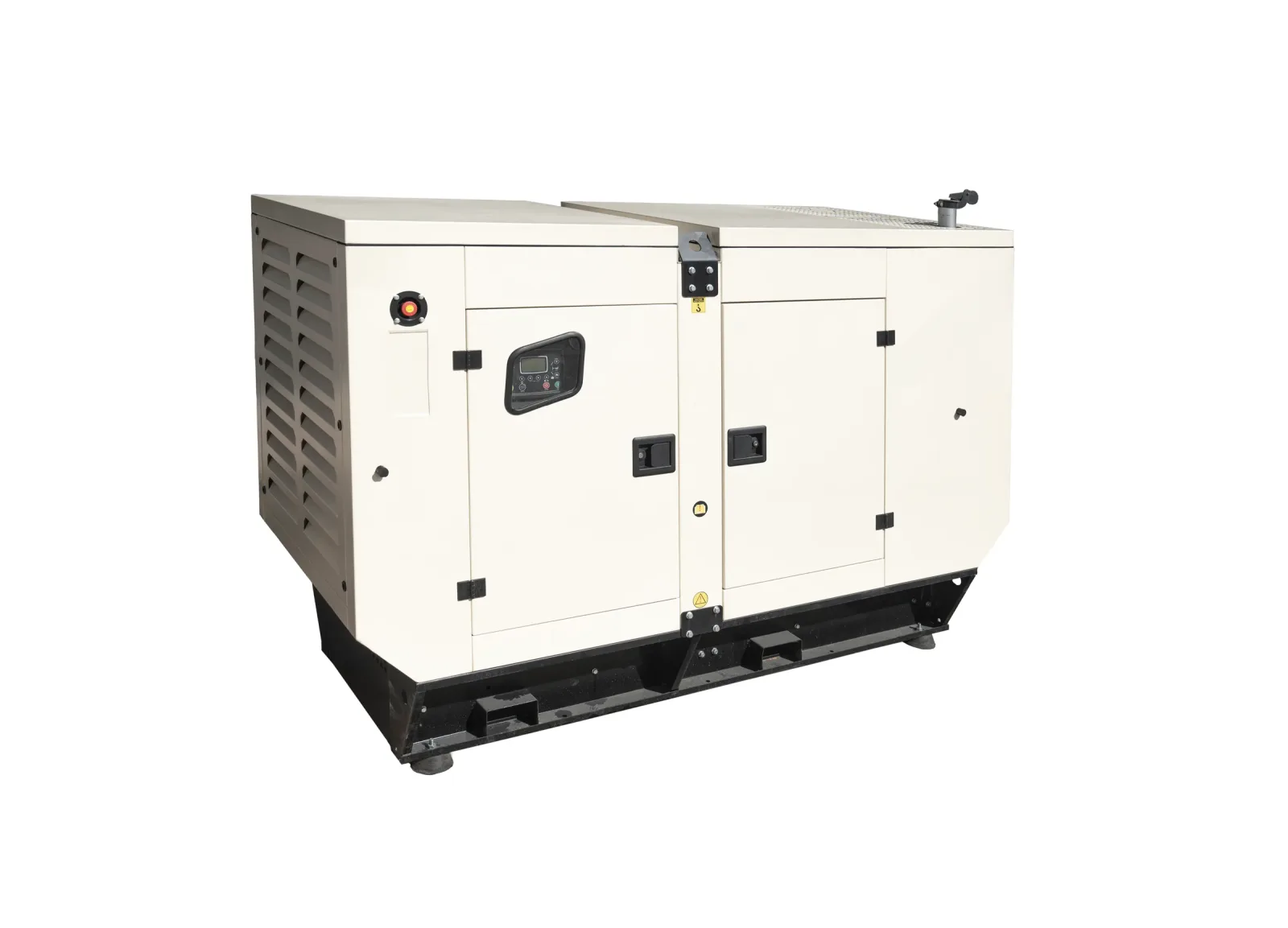
- Supply of petrol and diesel generators, open or silent canopy
- Automatic transfer switch (ATS) panels
- Manual changeover switch installation
- Armoured cabling, trenching and cable routing
- Earthing and surge protection for the generator
- Generator plinth, positioning and exhaust routing advice
- Commissioning with a live outage test
- Scheduled servicing and repairs
- Relocation or upgrade of existing generators
Why choose us
Safe changeover, every time
Every installation uses a properly rated ATS or changeover switch that isolates your supply from the KPLC line, so your generator can never backfeed the grid.
Sized for your real load
We check what you actually need to run, from pumps and fridges to lifts and machines, so you do not overpay for a large unit or buy one that keeps tripping.
One accountable team
The same Nerpax team surveys, supplies, installs, commissions and services your generator, so there is no finger-pointing between a seller and a fundi.
Genuine equipment
We supply genuine generators, switchgear and cables, not low-grade copies that fail when you need them most.
Neat, tested and labelled
Cabling is routed and terminated neatly, the earth is tested, and the changeover is labelled so anyone in the home or office can understand it.
Generator installation options in Kenya
The right setup depends on what you need to keep running during a blackout and how much you want to do by hand. These are the main choices we help clients make.
Petrol or diesel generator
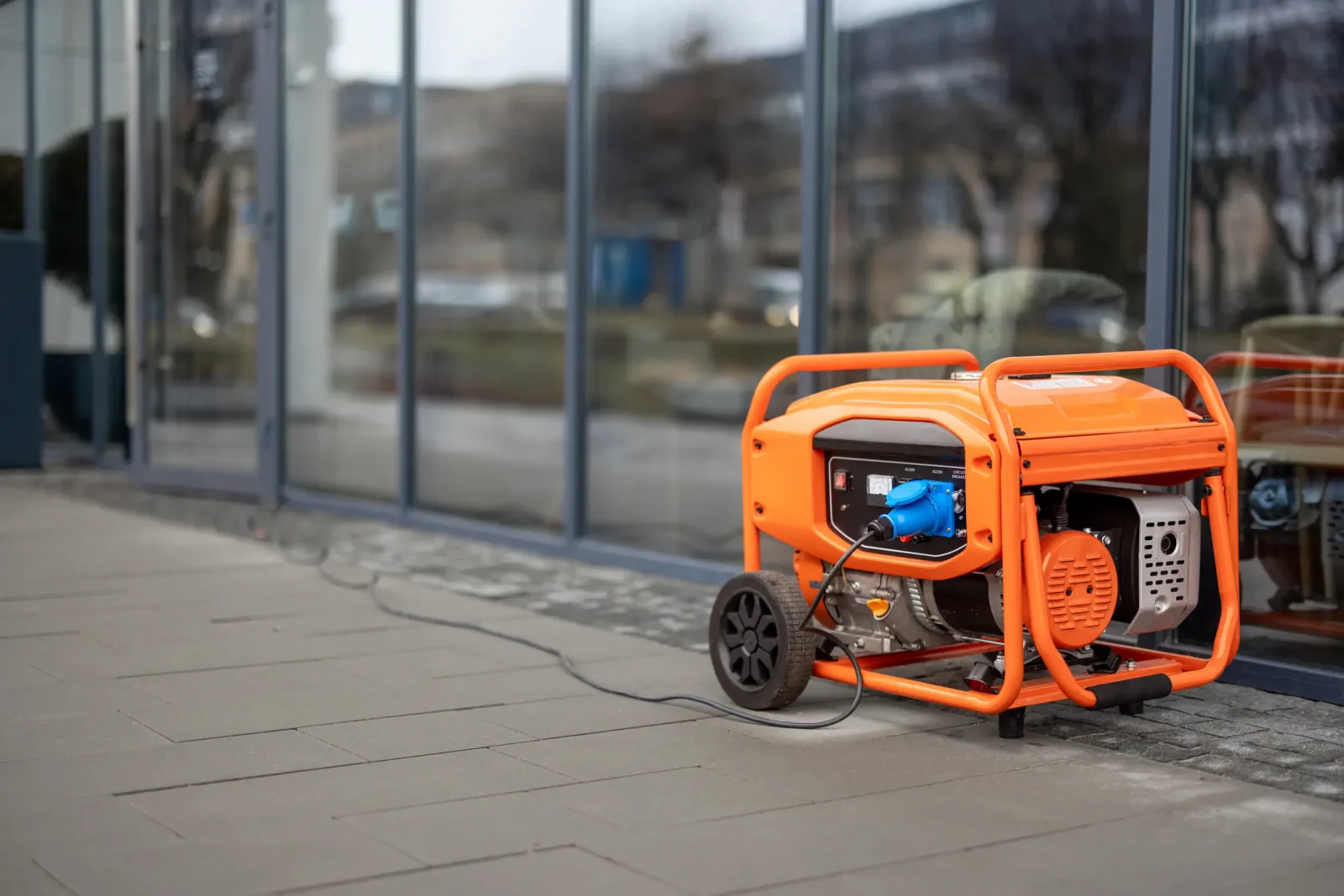
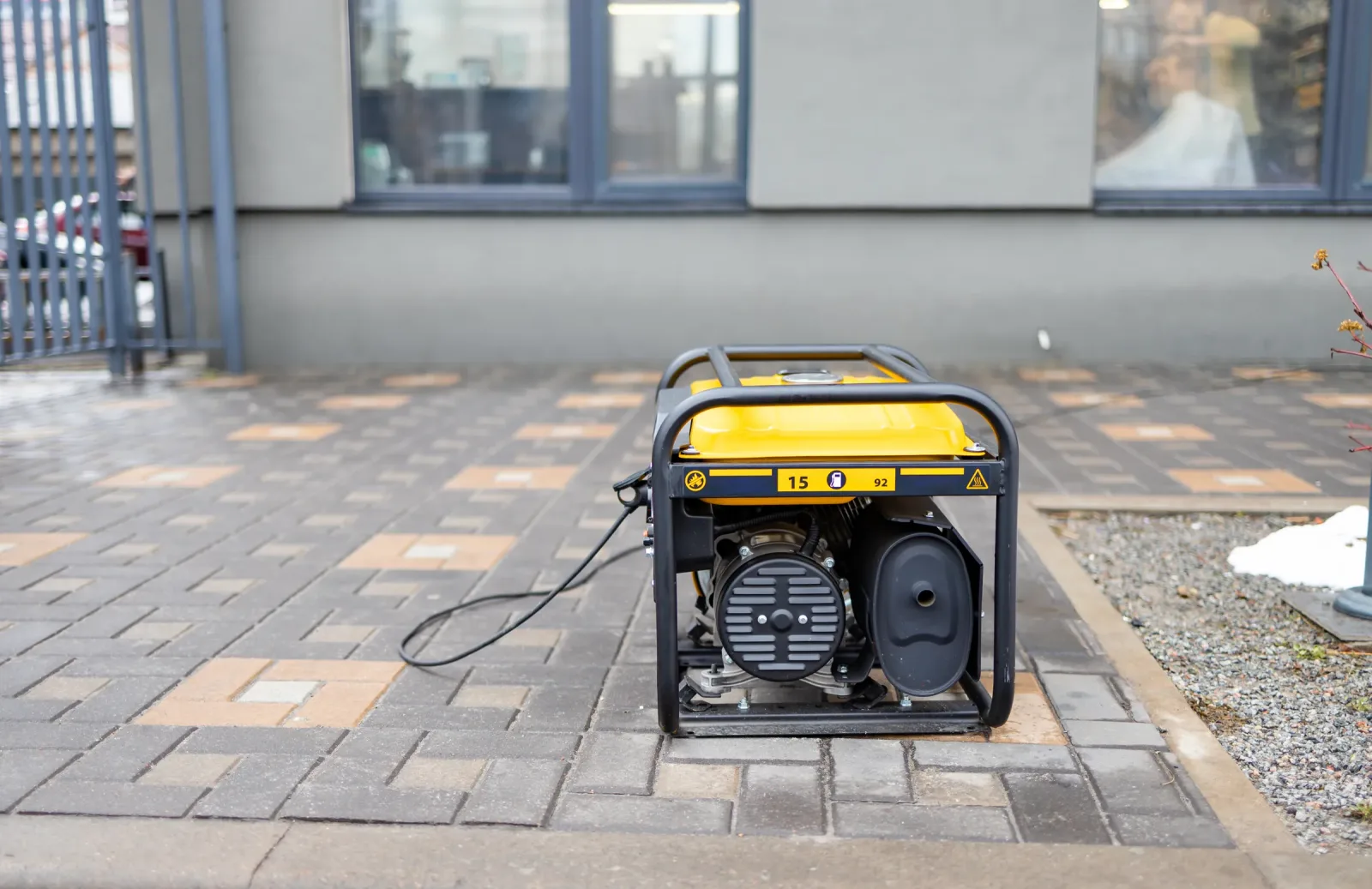
Small petrol generators suit homes that only need lights, TV, Wi-Fi and a fridge for short outages. Diesel generators cost more upfront but are more efficient, last longer and handle heavier loads such as water pumps, cold rooms, workshops and whole buildings. For anything above about 10 kVA, diesel is usually the sensible choice.
Open frame or silent canopy
A silent (canopied) generator is quieter and better protected from rain and dust, which matters in estates, apartments and offices. Open frame units are cheaper and fine for remote sites or plant rooms.
Automatic transfer switch (ATS) or manual changeover
An ATS detects a KPLC outage, starts the generator and switches the load over by itself, then switches back when mains power returns. It is the best option for businesses, clinics, apartments and anyone who is often away. A manual changeover switch is cheaper and reliable, but someone must start the generator and flip the switch.
Whichever you choose, the changeover must completely separate your wiring from the KPLC supply. Plugging a generator into a socket or wiring it straight into the board can backfeed the grid, which is dangerous to Kenya Power technicians working on the line and likely to damage your generator when power returns. We never install it that way.
What affects the cost of a generator installation
- Generator size and type: a small petrol unit and a large silent diesel set are very different investments.
- Changeover type: an ATS panel costs more than a manual switch but saves effort and downtime.
- Distance and cabling: longer runs from the generator to the main board need heavier armoured cable and possibly trenching.
- Site works: a concrete plinth, shelter, exhaust routing or fuel tank all add to the job.
- Existing wiring: an old or overloaded distribution board may need upgrading first.
As an indicative 2026 guide, a manual changeover switch with cabling for a typical home is often in the range of KES 15,000 to 45,000, and an ATS panel installed is often KES 60,000 to 250,000 depending on its rating. Generators themselves range from around KES 80,000 for a small petrol unit to well over KES 1,500,000 for a large silent diesel set. Every price depends on site; confirm with a free site survey.
Who we install generators for
- Homes: keep lights, security systems, the fridge and the borehole pump running.
- Landlords and apartments: backup for common areas, lifts, water pumps, gates and security lighting.
- Businesses: shops, offices, salons, restaurants and workshops that lose money during outages.
- Institutions: schools, churches and clinics that cannot stop when KPLC goes off.
Many clients combine a generator with other backup options. For quiet, fuel-free backup for lights and electronics, consider solar and inverter systems. If your main board is old or overloaded, we can upgrade it through our power control and DB board service.
Servicing and aftercare
A generator that sits unused for months can fail on the day you need it. We recommend regular servicing based on running hours, including oil and filter changes, battery checks, coolant and fuel checks, and a test run under load. We also test the ATS or changeover so it switches cleanly. Ask us about a servicing plan when we hand over your installation, and browse cables, breakers and changeover switches in our online shop.
Generator Installations photos
Frequently asked questions
What size generator do I need for my house in Kenya?
What is an automatic transfer switch (ATS)?
Can I connect a generator directly to my house wiring?
How much does it cost to install a changeover switch in Kenya?
Is a diesel or petrol generator better?
How often should a generator be serviced?
Where should a generator be placed at home?
Ready to secure and power your property?
Tell us what you need and get a free, no-obligation quote. We supply, install and commission.